

Εισαγωγή:
Οι πλάκες χάλυβα χρησιμοποιούνται εκτενώς σε διάφορες βιομηχανίες, από την κατασκευή και την αυτοκινητοβιομηχανία έως την ιατρική και την επεξεργασία τροφίμων, όπου ο τερματισμός του χάλυβα διαδραματίζει καθοριστικό ρόλο στην αισθητική, την ανθεκτικότητα και τη λειτουργικότητά του. Η διαδικασία τελείωσης όχι μόνο ενισχύει την εμφάνιση αλλά και βελτιώνει την αντίσταση στη διάβρωση και την ευκολία καθαρισμού. Τα παραδοσιακά φινιρίσματα χάλυβα ήταν εδώ και δεκαετίες. Ωστόσο, με τις εξελίξεις στην τεχνολογία, τα τελείωμα ηλεκτρολυτικής χάλυβα έχουν αναδειχθεί ως εναλλακτική λύση υψηλής ποιότητας. Αυτό το άρθρο συγκρίνει τα χαρακτηριστικά και τις εφαρμογές αυτών των δύο τύπων φινιρίσματος.
Διαφορές διαδικασιών
Οι διαφορές στις τεχνικές επεξεργασίας μεταξύ των παραδοσιακών φινιρίσματος χάλυβα και των ηλεκτρολυτικών φινιρίσματος χάλυβα βρίσκονται κυρίως στην προσέγγισή τους για την επίτευξη μιας ομαλής επιφάνειας στις πλάκες χάλυβα. Οι παραδοσιακές μεθόδους φινιρίσματος βασίζονται σε μηχανικές διεργασίες όπως η λείανση, η αποβάθρα και η αμμοβολή. Αυτές οι τεχνικές περιλαμβάνουν τη φυσική απομάκρυνση των επιφανειακών στρωμάτων από τον χάλυβα, με στόχο τη δημιουργία ομαλότερου φινιρίσματος. However, these methods can be quite labor-intensive and may sometimes result in microscopic scratches or an uneven surface due to the manual nature of the process.
Από την άλλη πλευρά, τα φινιρίσματα ηλεκτρολυτικού χάλυβα χρησιμοποιούν μια χημική διαδικασία γνωστή ως ηλεκτρολυτική στίλβωση. This method involves passing an electric current through a solution that dissolves metal from the steel's surface, resulting in a smooth, mirror-like finish. Η ηλεκτρολυτική διαδικασία είναι ακριβέστερη από τις μηχανικές διεργασίες και παράγει συνεπή αποτελέσματα με λιγότερη επιφανειακή βλάβη. This is because the chemical reaction evenly removes material from the steel's surface, reducing the risk of uneven surfaces or microscopic scratches.
Ποιότητα φινιρίσματος
Consistency and Appearance
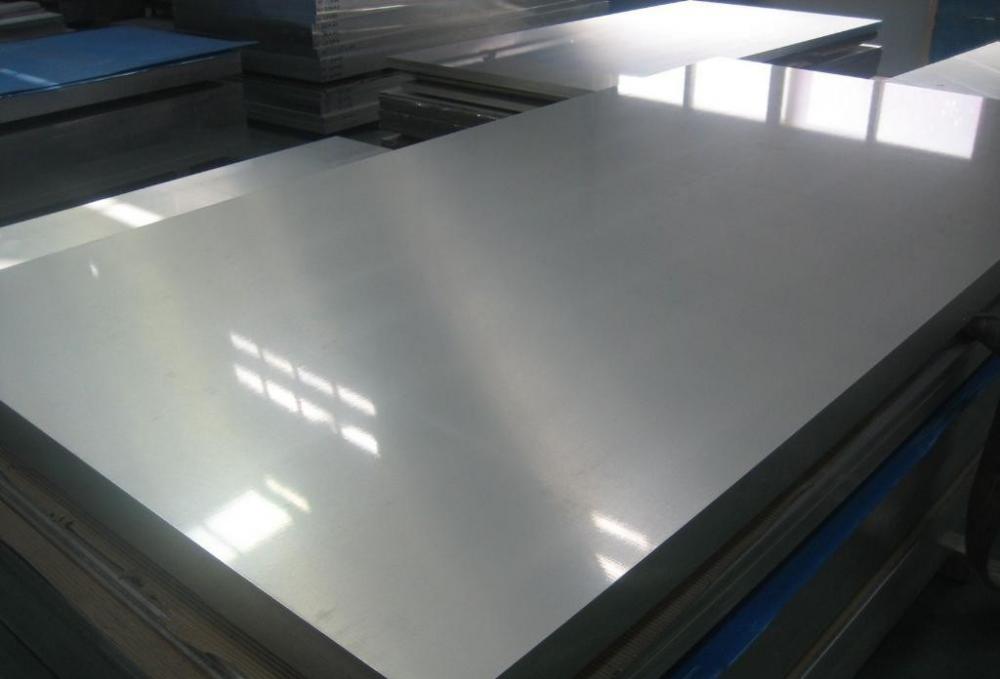
Electrolytic finishes offer superior consistency and a high-quality mirror-like appearance. The even removal of metal ensures that there are no tool marks or directional textures on the surface. In contrast, traditional finishes may exhibit some variability depending on the skill of the operator and the type of mechanical process used.
Surface Roughness
The surface roughness achieved by electrolytic polishing is generally much finer than what is achievable through traditional methods. This level of smoothness can be critical in applications where cleanliness or minimal friction is required.
Applications
The applications of traditional and electrolytic steel plate finishes vary depending on the specific needs and requirements of different industries. In industrial uses, traditional finishes are often sufficient for applications where appearance is not a primary concern. These applications include structural or heavy-duty industrial components, where the focus is on strength and durability rather than aesthetics.
In contrast, electrolytic finishes are preferred for applications requiring a cosmetic finish. This is because electrolytic polishing produces a smoother, mirror-like surface that is more visually appealing. Examples of such applications include luxury automobiles, where a high-quality finish is essential for the vehicle's overall appearance, medical devices, where a smooth surface can reduce the potential for contamination and make cleaning easier, and culinary equipment, where a polished surface can enhance the product's aesthetic appeal and improve hygiene by minimizing the accumulation of bacteria and dirt.
Regarding maintenance and durability, the smoother surface of electrolytic steel plate can be easier to clean and maintain, reducing the potential for contamination in sensitive environments. This is particularly important in industries such as healthcare and food processing, where hygiene and sterility are crucial. Additionally, the improved corrosion resistance of an electrolytic finish can extend the lifespan of the product in harsh conditions. This makes it an ideal choice for applications where the product is exposed to moisture, chemicals, or other corrosive elements, such as marine equipment or outdoor architectural features.
Environmental Impact
Waste and Pollution
Electrolytic polishing generates waste in the form of spent electrolyte solution, which requires proper disposal to prevent environmental pollution. Traditional methods produce physical waste in the form of metal shavings and abrasives, which also needs to be managed responsibly.
Energy Consumption
Electrolytic polishing typically consumes more energy compared to traditional mechanical processes due to the need for electrical power to drive the chemical reaction. However, advances in energy-efficient equipment can help mitigate this difference.
Σύναψη:
In comparing traditional versus electrolytic steel plate finishes, it becomes clear that while traditional methods are effective for many industrial applications, electrolytic finishes offer significant advantages in terms of surface quality, consistency, and functionality. Manufacturers must consider the end use of their products and balance the benefits of each finish with the associated costs and environmental considerations to make an informed decision. As technology continues to evolve, the efficiency and sustainability of electrolytic steel plate production will likely lead to increased adoption across various industries.
Jilin Haochen offers different electrolytic steel plates including Electroplate Steel, Electrolytic Galvanized Steel Sheet In Coil and so on. If you are interested, contact us now, or visit our website for details.https://www.hcaircare.com/